event
Elevate 2026
Elevating the Practice of Translation & Interpreting
📍Miami, Florida
📅 February 27–March 1, 2026
🏛 Hosted by FIU’s Steven J. Green School of International & Public Affairs
Join translators, interpreters, and language professionals for three days of advanced learning, meaningful exchange, and forward-looking dialogue.
ELEVATE 2026
Friday Advance Workshops (Feb 27)
Workshop 1 - Mary Ann E Monteagudo Medina
Presenter: Mary Ann E. Monteagudo Medina
Session Title: The Language of Corporate Entities: A Practical Workshop on Corporate Translation (Spanish)
Time: 2:00–5:30 p.m. | Location: SIPA 100
CEUs: [ATA: ___] [CCHI: ___] [IMIA: ___] [FL Courts: ___]
Session Description:
This three-hour specialized workshop offers a hands-on approach to understanding and translating U.S. corporate law documents. Participants will explore key conceptual differences between U.S. and Latin American corporate law, as well as practical strategies to achieve accurate and consistent translations. They will analyze bylaws, articles of incorporation, operating agreements, and other corporate instruments to identify key terminology and apply effective translation techniques. Through guided exercises and small-group translation activities, attendees will strengthen their terminological judgment, accuracy, and overall consistency when translating legal-corporate texts.
Presenter Bio:
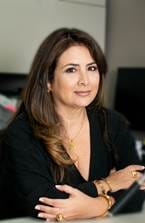
Mary Ann Monteagudo is a renowned specialist in legal translation and an international speaker with a solid multidisciplinary background. She holds a PhD in Translation Studies and a Master’s Degree in Institutional Translation from the Universidad de Alicante, as well as a Master in Business Innovation from Universidad Politécnica de Valencia. She earned her Bachelor’s Degree in Translation and Interpreting from Universidad Femenina del Sagrado Corazón and is a Sworn Public Translator in English, French, and Portuguese. She is also an attorney, having graduated from Universidad San Martín de Porres. She has taught legal translation at UPC for more than a decade and has over 30 years of professional experience as a translator and interpreter.
Until July 2025, she served as Chair of FIT LatAm (FIT Regional Center for Latin America), where she led initiatives to strengthen institutional and professional development among translators, interpreters and terminologists in the region. She is currently a member of FIT Executive Committee and Vice President of Colegio de Traductores del Perú. She has twice served as President of Colegio de Traductores del Perú (2010–2012 / 2022–2025). She is a member of several professional associations, including ATA and PeruTerm (where she previously served as secretary). From 2021 to 2023, she chaired the Ibero-American Terminology Network (RITerm). She is the coauthor of two works —Socioprofessional Dictionary for Translators and Dictionary for Translation Professionals—as well as multiple scholarly articles and book chapters on legal translation and terminology.
Workshop 2 - Tony Rosado
Presenter: Tony Rosado
Session Title: From Public Service Interpreting to Conference Work (Spanish)
Time: 2:00–5:30 p.m. | Location: SIPA 103
CEUs: [ATA: ___] [CCHI: ___] [IMIA: ___] [FL Courts: ___]
Session Description:
The Transition from Public Service to Conference Interpreting is an avenue explored by many court and healthcare interpreters. This workshop is designed to help them understand the different goals, expectations, and techniques of these two professional settings. We will explore the main differences with conference interpreting, such as décalage, long consecutive interpreting, and sight translation during a simultaneous rendition. We will learn how to handle omissions, redundancies, regional expressions, explanations, completeness, and the effective conveyance of ideas. Participants will learn how preparation differs for conferences, including topic research, teamwork, and working from a booth under ISO-recommended conditions. We will also address the realities of conference work: traveling, handling a wide variety of topics, and collaborating with other interpreters. The workshop includes hands-on conference interpreting exercises to build confidence and practical skills that will help with this career transition, and improve their work as court and healthcare interpreters.
Presenter Bio:
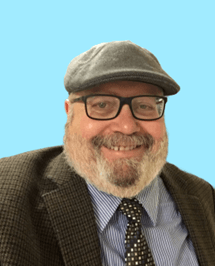
Tony Rosado: Conference interpreter in the United States, certified by the Administrative Office of the United States Courts, New Mexico, and Colorado. He has a Law Degree from Escuela Libre de Derecho in Mexico City. He is the current Chair of AIIC-USA, and a member of the Steering Committee of the Advisory Board of AIIC. For many years, Tony has been a high-profile interpreter in the United States and other countries. He has the conference interpreting level at the U.S. Department of State where he is a contractor. He interprets political events, court proceedings, and broadcasts by the main TV networks in English and Spanish. He has interpreted for well-known individuals, including presidential debates during the last six elections, celebrities in the world of politics, business, sports, and entertainment, as well as two dead penalty cases. With over 30 years of experience, Tony has published many articles, two books on court interpreting, and has recorded radio and TV documentaries and commercials. He is a regular presenter at professional conferences in all continents. Mr. Rosado is member of AIIC, TAALS, ATA, OMT, IAPTI, and ASETRAD.
Workshop 3 - Diego Mansilla
Presenter: Diego Mansilla
Session Title: ATA Certification Exam: Errors, Strategies, and Practices (Spanish)
Time: 2:00–5:30 p.m. | Location: SIPA 220
CEUs: [ATA: ___] [CCHI: ___] [IMIA: ___] [FL Courts: ___]
Session Description:
The American Translators Association (ATA) Certification Exam may present a considerable hurdle for both seasoned professionals and emerging translators. This intensive workshop is specifically tailored to prepare attendees to meet this challenge head-on and increase their likelihood of passing.
The core of the session will involve a systematic breakdown of the error categories utilized by the ATA grading system. Through the analysis of common and representative errors made by previous ATA Certification candidates and advanced translation students, participants will gain a practical, critical perspective on translation revision. This analysis will guide a discussion on strategies for preventing and detecting these errors.
Furthermore, the workshop will address the logistical and technical aspects of the current remote exam format, including specific restrictions and optimal preparation methods. The speaker will conclude by providing a set of preparation and test-taking strategies.
Presenter Bio:
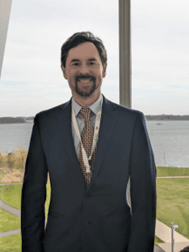
Diego Mansilla, PhD, is the director of the Spanish-English Translation Program at the University of Massachusetts Boston. He has been a grader (English into Spanish) for the ATA Certification Program since 2016. His areas of research are translation pedagogy, collaboration in translation, and online education. He is an ATA-certified English-to-Spanish translator with more than 20 years of experience.
ELEVATE 2026
Saturday Program Full Day (Feb 28)
Welcome | Announcements
Presenters:
Karen Borgenheimer, MFA – Director of the Translation and Interpretation Program, FIU
Leopoldo Gurman – ATIF Vice President
Gabriela Escarrá – ATA SPD Administrator
Andy Benzo – ATA President
Time: 8:45 a.m. – 9:30 am. | Location: SIPA 125
Presenters Bio:
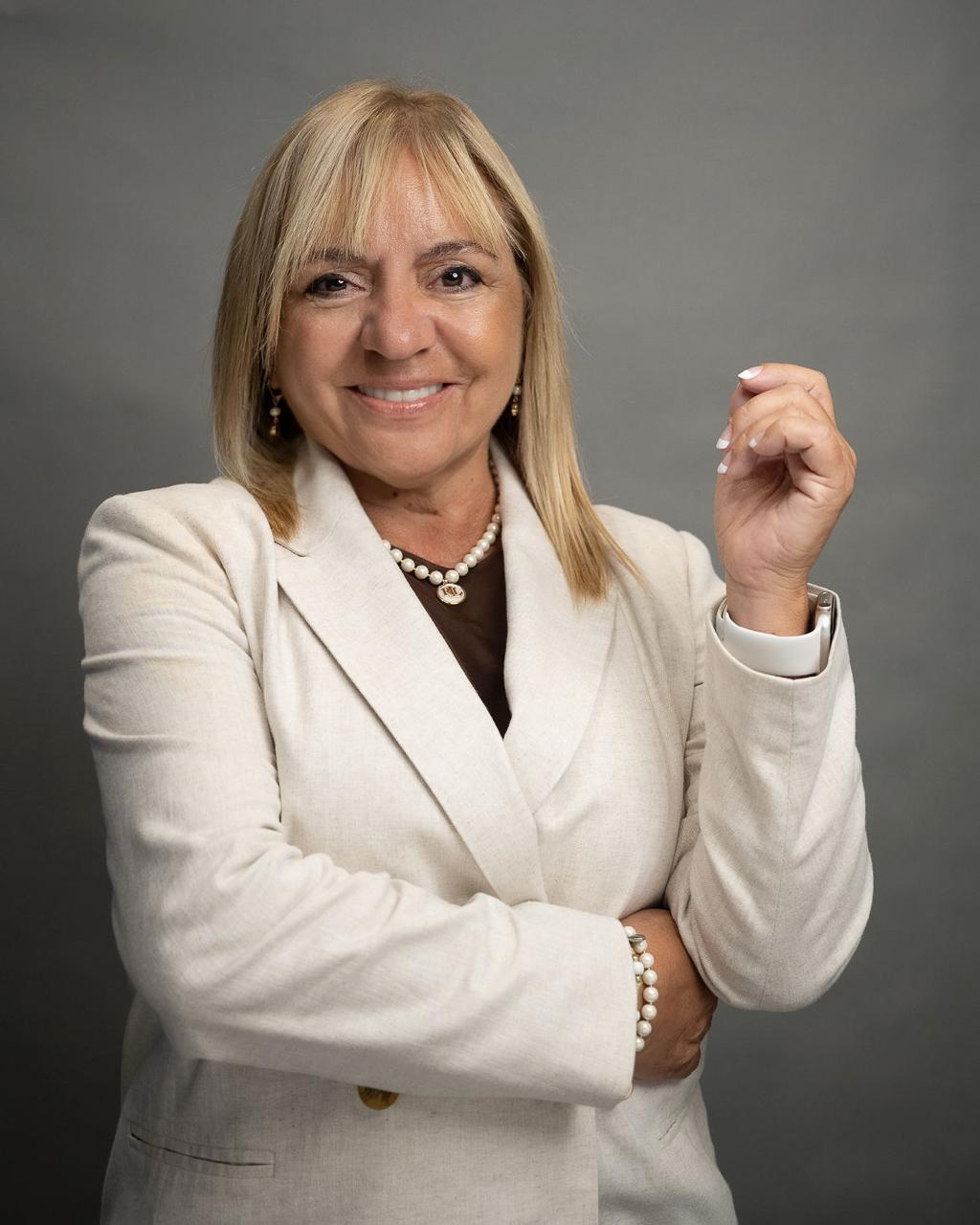
Andy Benzo, a seasoned legal language expert and legal translator, boasts an impressive career spanning over 35 years. Specializing in English-Spanish translations, she holds degrees in Law and Translation from Argentina, her homeland, and a Paralegal Degree from California State, San Marcos, USA.
Since 1999, Andy has been an esteemed member of the American Translators Association (ATA), earning her certification and contributing significantly to the organization. She served as the Assistant Administrator of the Spanish Language Division and was the host of the popular Podcast, Charlas de Café (2020-2022).
Fervent about promoting standards, Andy actively collaborates in language standards development in ASTM and serves as an ANSI expert in ISO.
For many years, Andy was an instructor in the Translation & Interpretation Certificate Program at UCSD Extension, where she imparted her knowledge of Legal and Business translation. She was a founding member of ATISDA (Association of Translators and Interpreters in the San Diego Area) and led the association as its President for six years.
In addition to her other roles, Andy is a professional speaker, sharing her expertise on Civil Law, US Law, and Legal translation at both national and international forums. She is passionate about law, language, technology, and commitment to excellence.
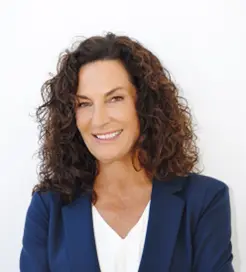
Prof. Karen Borgenheimer, Director of FIU T&I Program, is a classically trained, certified interpreter and translator who is regarded as a skilled, insightful, and versatile professional. She is equally comfortable in the classroom, courtroom, and international conference. Her Interpreter Training Workshops have been a tremendous success in the US and Spain.
Karen obtained an MFA in Translation from the University of Arkansas—Fayetteville. She also completed doctoral coursework in Spanish Language and Linguistics at the University of Wisconsin—Madison. For a decade, Karen lived in San Lorenzo de El Escorial (MADRID), Spain where she taught at the Real Centro Universitario (RCU) “Maria Cristina.” During this time, she attended the prestigious Escuela de Traductores e Intérpretes | Estudio Sampere Madrid
For the last 25 years, Karen has trained hundreds of translation and interpretation students at FIU and certified interpreters with her continuing education workshops in the United States and Spain through her company, Interpreter Translation, LLC, headquartered in Miami, Florida.
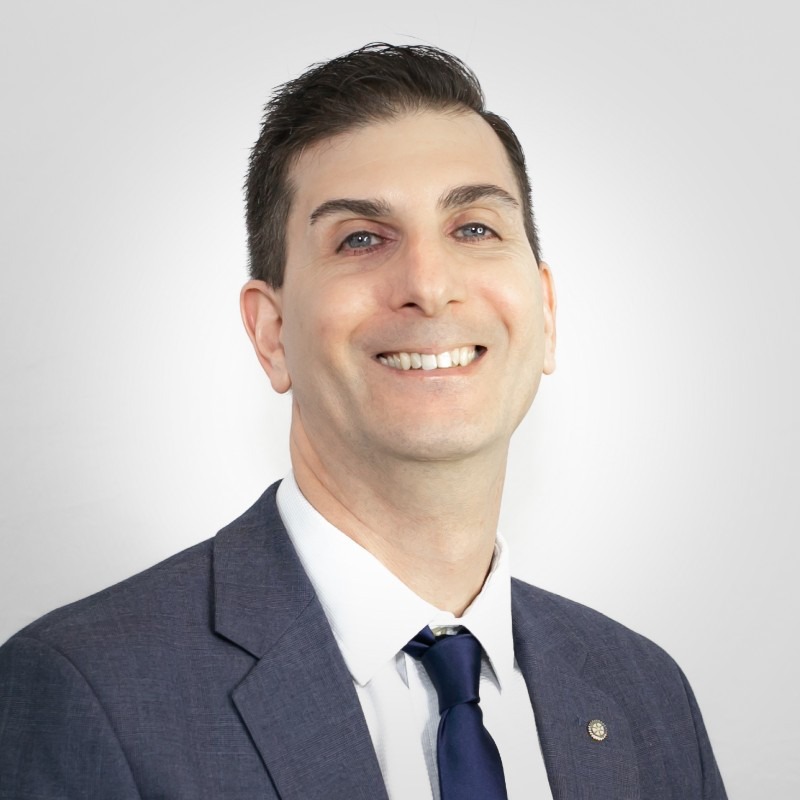
Prof. Leopoldo Gurman is an American Translators Association–certified Spanish-to-English translator and currently serves as Vice President of the Association of Translators and Interpreters of Florida (ATIF). He previously served as ATIF President from 2024 to 2025.
After spending approximately 10 years working in socioeconomic statistics and environmental impact studies, he transitioned into the field of translation. With more than 20 years of experience in the industry, he has worked extensively in translation and localization in roles that include freelance translator, multilingual localization project manager, in-house translator for a large international bank, terminologist, and entrepreneur.
Prof. Gurman is an Adjunct Lecturer of Modern Languages at Florida International University, within the Steven J. Green School of International and Public Affairs, and serves as a senior bilingual copy editor for an education company. His professional background reflects a strong combination of linguistic expertise and practical industry experience. He is also actively involved in his community as a member and president-elect of the Mandarin Rotary Club in Jacksonville, Florida.
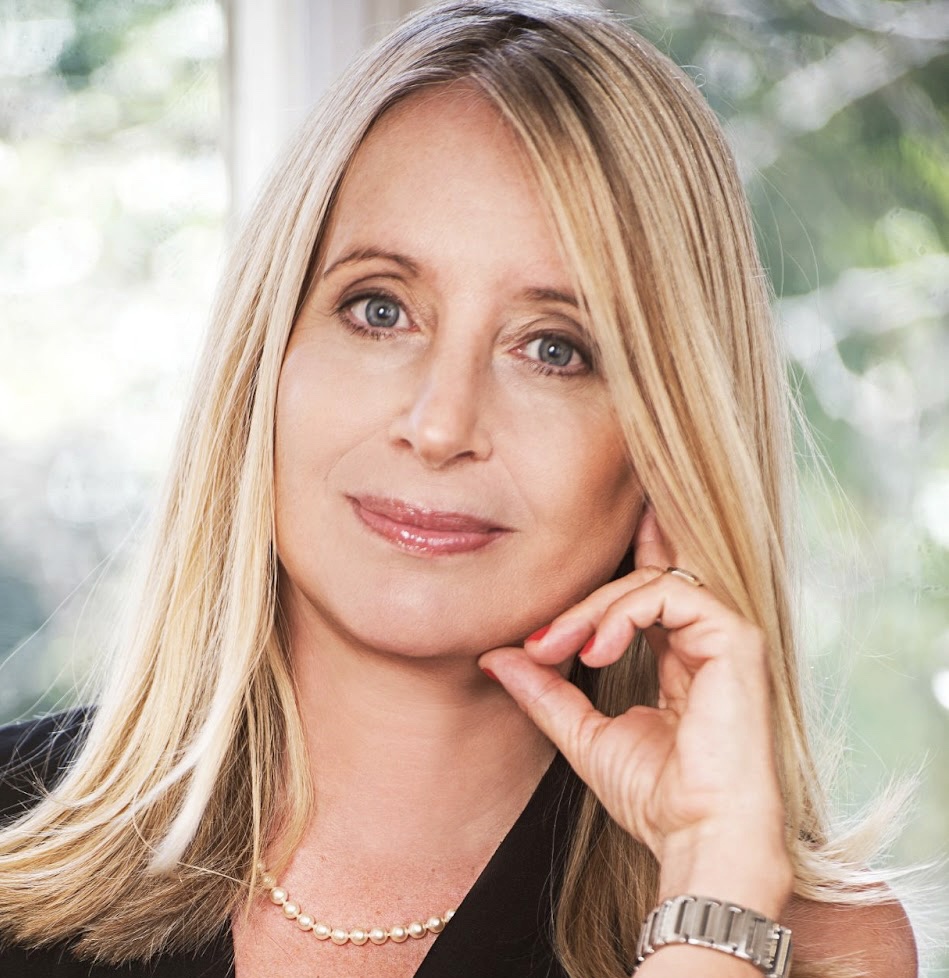
Gabriela Escarrá is a sworn translator, professor of English language and literature, and copyeditor specializing in marketing and corporate communication. She is the administrator of the Spanish Language Division (SPD) and the chair of the Standards Committee of the American Translators Association (ATA). She is also a member of the FIT LatAm Standards Committee and the ASTM Membership Secretary of the F43 Executive Committee. She works with several major international brands, localizing and developing their Spanish-language campaigns. Gabriela teaches standards at UCA University in Argentina and is an international speaker and co-author of two books.
Xosé Castro (Keynote Speaker)
Presenter: Xosé Castro (Keynote Speaker)
Session Title: Entre la revolución y el oficio: cómo prepararnos para 2030 (Spanish)
Time: 9:30 a.m. – 10:30 a.m. | Location: SIPA Auditorium
CEUs: [ATA: ___] [CCHI: ___] [IMIA: ___] [FL Courts: ___]
Session Description:
La traducción y la interpretación viven un momento decisivo. La irrupción de la IA, los nuevos flujos de trabajo, la especialización del mercado y la transformación de la formación han redefinido tanto las expectativas como el alcance de nuestra labor. En esta conferencia se describirá un panorama claro y práctico de dónde estamos y hacia dónde vamos: qué cambios son estructurales, cuáles son coyunturales y qué competencias marcarán realmente la diferencia en los próximos años. También se hablará de qué oportunidades ofrece la tecnología, los límites que conviene comprender para no delegar criterios esenciales y las áreas donde la pericia humana conserva —y amplía— su relevancia. El propósito es fijar un punto de partida inspirador, realista y ambicioso: elevar la práctica profesional para afrontar un futuro que no solo exige adaptación, sino también criterio, visión y oficio
Presenter Bio:
Xosé Castro es traductor especializado en traducción técnica y audiovisual, entre otras, además de corrector, redactor, presentador y guionista de radio y televisión. Desde 1995 imparte formación —en España, Latinoamérica y los Estados Unidos— sobre traducción especializada, informática productiva, proyección profesional, marketing, redacción creativa y SEO para traductores, entre otros temas. Ha sido asesor de la Fundéu y del Centro Virtual Cervantes, forma parte del colectivo de divulgación lingüística PalabrasMayores.org y es coautor del libro 199 recetas infalibles para expresarse bien (ed. Larousse VOX).
Session 1 - Chelo Vargas
Presenter: Chelo Vargas
Session Title: Affective Prompting and Emotional Fidelity in AI-Mediated Specialised Translation (Spanish)
Time: 11:00 a.m. – 12:00 p.m. | Location: SIPA 100
CEUs: [ATA: ___] [CCHI: ___] [IMIA: ___] [FL Courts: ___]
Session Description:
The widespread adoption of large language models has introduced a dimension into translation practice that has so far received limited attention: that of emotions, understood not as properties of the machine but as discursive configurations that, in AI-mediated translation contexts, may be reshaped during the production of the target text as a result of the instructions guiding the interaction with the model. This paper reflects on the notion of emotional fidelity in specialised translation and examines how the type of prompt employed—including apparently neutral instructions related to clarity, professionalism or institutional appropriateness—affects the preservation or reformulation of affective nuances present in the source text (ST). Drawing on previous research on emotional expression in specialised discourse and on a series of controlled experiments involving affective prompting, the study shows that prompt formulation has a direct impact on key translation decisions. These include the degree of firmness or caution conveyed by the target text, terminological coherence, and the way information is presented when the ST combines different levels of reliability. The findings indicate that AI systems tend to smooth or rebalance the affective load of the source text and that, if this tendency is not managed with professional judgement, subtle shifts in discursive orientation may occur. The paper concludes by proposing a preliminary framework for integrating emotional evaluation into AI-mediated translation workflows.
Presenter Bio:
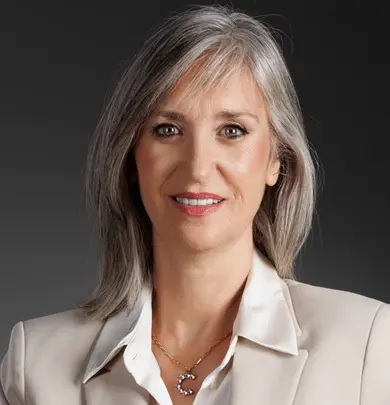
Chelo Vargas-Sierra is a Full Professor at the Department of English Studies at the University of Alicante (Spain). She holds a BA and PhD in Translation and Interpreting (English) from the University of Alicante, a Master’s degree in Terminology (Universitat Pompeu Fabra) and a Master’s degree in Audiovisual Translation, Dubbing, New Technologies and Localisation (University of Cádiz). Her academic output includes more than fifty publications on terminology, specialized discourse and translation.
Her recent research focuses on the cross-linguistic (EN-ES) analysis of women’s health discourse, gender-sensitive terminology and the role of emotion, metaphor and bias in biomedical communication, with publications in journals such as Languages, Terminology, Humanities and Social Sciences Communications and Cultura, Lenguajes y Representación. She currently leads the regional research project alertAI (2025–2028), devoted to the detection and correction of gender bias and stigma in digital biomedical discourse, and has previously coordinated a national project on open, multilingual terminological resources with a gender perspective.
She has extensive experience in developing digital corpus-based terminological resources for both research and professional translation, including specialized lexicons, and dictionaries. She has delivered plenary lectures at national and international conferences and has been invited to speak and teach on corpus-based translation, terminology management, Computer/AI-assisted translation. Her work bridges theory and practice, with a strong commitment to technology-enhanced translation, critical discourse analysis and socially responsible language use.
Session 2 - Georganne Weller
Presenter: Georganne Weller
Session Title: Theory and Practical Exercises to Improve your Performance as a Professional Interpreter (Spanish)
Time: 11:00 a.m. – 12:00 p.m. | Location: SIPA 103
CEUs: [ATA: ___] [CCHI: ___] [IMIA: ___] [FL Courts: ___]
Session Description:
Since interpreters anticipate a good bit of speakers´ argumentation while on stage develop this ability that helps the interpreter predict what will come next in a speech in the source language and thus lessen the ongoing cognitive load and unexpected turns of event.
This presentation attempts to point out the role coherence and cohesion play in processing the source language. Examples of this mechanism will be provided to demonstrate mental challenges and how to handle them. The three exercises we will do during the presentation are:
1) A Close exercise with the deletion of every 10th word; 2) an activity that will test the
ability of some members of the audience to spontaneously make up an end for a coherent story, and 3) the last skill to be tested with the support of part of a recorded speech that volunteers from the audience will complete according to their expectations as to where they think the speaker is headed and what their reasoning is for proposing a logical end to the speech.
Presenter Bio:
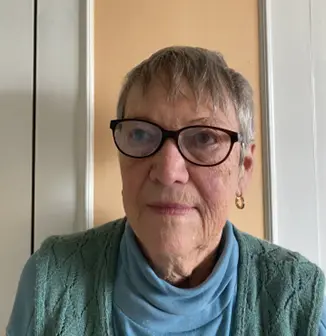
Dr. Georganne Weller has some 50 years of experience in conference interpreting covering many different topics and is an active member of the following professional associations: AIIC, CMIC, OMT, AMLA, ATA and NAJIT. She has a B.A. in international relations, a M.S. in sociolinguistics, a PhD in applied linguistics, and a diploma in interpretation and translation. Her teaching experience includes the design of a certificate program at the Instituto de Interpretación in Chile, and was in charge of the B.A. program at the Insituto Superior de Intérpretes y Traductores in Mexico while she was the academic director of the school. Dr. Weller also coordinated the interpretation program at the University of Delaware before moving on to supervise the certificate program in interpretation and translation at the University of Hawaii Manoa. Later she assumed the position of co-director of CESLAA, also in Mexico City, before designing an M.A. program at the Universidad Anáhuac. In the same city. In 2006 she was appointed director of language policy at the Instituto Nacional de Lenguas Indígenas in Mexico. Dr. Weller has presented more than 50 papers and publications on conference, court and community interpreting over the years.
Session 3 - Karen Borgenheimer
Presenter: Karen Borgenheimer
Session Title: Legal Translation: Technique and Formulaic Language for Gender Identification (English)
Time: 11:00 a.m. – 12:00 p.m. | Location: SIPA 220
CEUs: [ATA: ___] [CCHI: ___] [IMIA: ___] [FL Courts: ___]
Session Description:
This session is divided into two sections. Part 1 will consist of an introduction to the use of gender-inclusive language that does not discriminate against a particular sex, social gender, or gender identity. The speaker will discuss the characteristics of formulaic legal language and its use for gender inclusivity. Attendees will learn key strategies for translating legal texts in Spanish, a gendered language, into English, a non-gendered– language—a challenging endeavor. In Part 2, of the presentation, participants will have the opportunity to discuss and revise several translated civil code excerpts from several Spanish-speaking countries.
Presenter Bio:
Prof. Karen Borgenheimer, Director of FIU T&I Program, is a classically trained, certified interpreter and translator who is regarded as a skilled, insightful, and versatile professional. She is equally comfortable in the classroom, courtroom, and international conference. Her Interpreter Training Workshops have been a tremendous success in the US and Spain.
Karen obtained an MFA in Translation from the University of Arkansas—Fayetteville. She also completed doctoral coursework in Spanish Language and Linguistics at the University of Wisconsin—Madison. For a decade, Karen lived in San Lorenzo de El Escorial (MADRID), Spain where she taught at the Real Centro Universitario (RCU) “Maria Cristina.” During this time, she attended the prestigious Escuela de Traductores e Intérpretes | Estudio Sampere Madrid
For the last 25 years, Karen has trained hundreds of translation and interpretation students at FIU and certified interpreters with her continuing education workshops in the United States and Spain through her company, Interpreter Translation, LLC, headquartered in Miami, Florida.
Session 4 - Gabriela Escarrá
Presenter: Gabriela Escarrá
Session Title: Where Technology Meets Expertise: Elevate Your Linguistic Excellence (Spanish)
Time: 1:30 p.m. – 2:30 p.m. | Location: SIPA 100
CEUs: [ATA: ___] [CCHI: ___] [IMIA: ___] [FL Courts: ___]
Session Description:
This session will demonstrate how technology can amplify human expertise. Attendees will leave with a set of applicable strategies to enhance the quality, consistency, and depth of their linguistic performance, while reinforcing their unique value in an AI-augmented professional landscape. The presentation will also highlight essential ethical considerations, including trust, confidentiality, and the responsible use of AI, ensuring that technological support never compromises professional integrity.
Presenter Bio:
Gabriela Escarrá is a Sworn Translator and Professor of English Language and Literature, both from the University of La Plata (UNLP). She is also a copyeditor specializing in Marketing and Corporate communication from the Fundación Litterae. She has obtained two TAUS certifications in Post-editing and Transcreation. She is the Administrator of the Spanish Language Division (SPD) and the Chair of the Standards Committee of the American Translators Association (ATA). She is also a member of the FIT LatAm Standards Committee and the Membership Secretary of the ASTM F43 Executive Committee. She has taught Technical Translation I and II at the Faculty of Economic Sciences of the Catholic University of La Plata (UCALP) and worked as a translator and trainer on various United Nations Development Program (UNDP) projects, as well as for multinational companies, government agencies, and professional associations. Currently, she works with several international brands on localizing and developing their marketing campaigns in Spanish. Additionally, she teaches ISO standards in the postgraduate program in business translation at the Catholic University of Argentina (UCA). She is also an international lecturer and co-author of two books: Mejora Continua de la calidad en la traducción and Pequeñas grandes verdades delEspañol.
Session 5 - María (Mila) Baker
Presenter: María (Mila) Baker
Session Title: Therapy visits and their AVSs: Some Pitfalls and Solutions (Spanish)
Time: 1:30 p.m. – 2:30 p.m. | Location: SIPA 103
CEUs: [ATA: ___] [CCHI: ___] [IMIA: ___] [FL Courts: ___]
Session Description:
Therapy sessions and evaluations in pediatric settings (and the resulting AVS) present an interesting opportunity to review some matters of translation into Spanish that, while not specific to these visits and documents, do appear frequently and merit some analysis. It is important, both for translators and interpreters, to choose idiomatic translations and, whenever possible, back them up with trustworthy sources. During this presentation, we will review translation examples, seek the best possible solutions and the resources to support these solutions.
Presenter Bio:
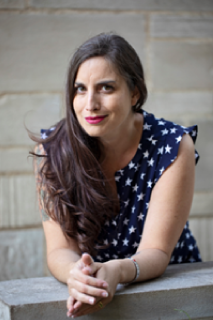
María (Mila) Baker completed her BA in TESOL in Argentina in 2010, and her MA in Spanish and TESOL at West Virginia University in 2013. Passionate about professional development, she has over 10 years of experience in interpreting and translation. María became a CMI in 2014 and a CHI™ in 2018. She obtained her EN>ES ATA certification in 2021. She has conducted training for healthcare providers on interpreting and delivered workshops for interpreters and translators. María is the interim Assistant Administrator of the Spanish Language Division and volunteers with the Professional Development and PR Committees at the ATA. She has been a member of ATA since 2019.
Session 6 - Francesca Samuel
Presenter: Francesca Samuel
Session Title: Mastering the Courtroom: A Comprehensive Guide to Immigration Proceedings (English)
Time: 1:30 p.m. – 2:30 p.m. | Location: SIPA 220
CEUs: [ATA: ___] [CCHI: ___] [IMIA: ___] [FL Courts: ___]
Session Description:
Unlock the secrets of immigration court proceedings with our dynamic and enlightening presentation. Dive into the essentials of court ethics, delve into the workings of the Executive Office for Immigration Review (EOIR), and the crucial role of interpreters in a range of legal scenarios. Whether it’s navigating asylum requests, mastering the nuances of deportation laws, or understanding protective legislation like the UN Convention Against Torture, this session is your roadmap to competence.
Experience an in-depth exploration of the interpreter’s role across civil, federal, and state criminal proceedings, and sharpen your skills in distinguishing between standard legal language and specialized immigration terms. Enhance your translations with cultural insights that bring accuracy and sensitivity to every word. You will be exposed to pivotal dos and don’ts for document preparation and translation in immigration contexts. The session will also highlight the importance of preparation before arriving in court.
Enhance your professional toolkit with access to comprehensive glossaries in both English and Spanish, along with a detailed breakdown of EOIR’s legal sections. This is more than a session; it’s an investment in your professional excellence in the field of legal interpretation. Don’t miss the opportunity to become better versed in the complex world of immigration law.
Presenter Bio:
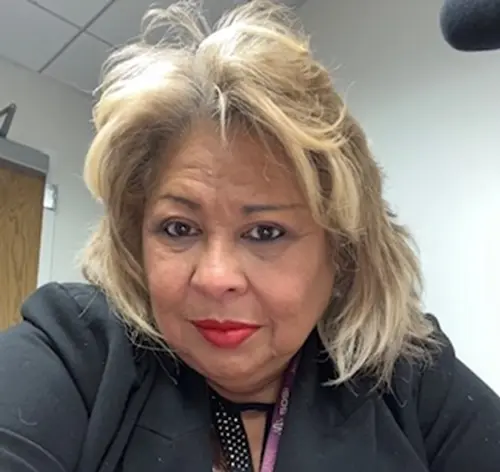
Francesca Samuel is a freelance interpreter/translator and founder of A la Carte Translations, a web-based translation business established in 2000, and a proud member of NAJIT and ATA since 1999.
She is a graduate of the Pima College Translation and Interpreting Program and has 25+ yrs. experience as an immigration court contract interpreter.
Francesca is an avid volunteer and passionate advocate for the profession. She has presented at several annual conferences including FIT, NAJIT, CFI, ATA and ATI on immigration, business management, social media marketing and scam prevention, and continues to spread awareness about the working conditions of immigration court interpreters.
She has served on several committees and boards which include president of Arizona Translators and Interpreters, ATA Spanish Language Division Professional Development, Hospitality and Public Relations committees as chair and/or member of the Training and Education, Conference and Nominations’ committees.
In 2022, she became a member of the board of directors of the National Assoc. of Judiciary Interpreters and Translators (NAJIT) where she also served as treasurer and interim vice-chair.
A proud native of Puerto Rico, Francesca lived in New York City and Los Angeles before eventually settling down in Tucson, AZ with her husband and children.
Session 7 - María Barros
Presenter: María Barros
Session Title: Beyond the Myths: Reexamining Common Assumptions in English-Spanish Translation (Spanish)
Time: 3:00 p.m. – 4:00 p.m. | Location: SIPA 100
CEUs: [ATA: ___] [CCHI: ___] [IMIA: ___] [FL Courts: ___]
Session Description:
As translators and interpreters working between English and Spanish, we’ve all heard claims like “English is richer because it has a larger vocabulary” or “English is more flexible because it has fewer grammar rules.” But are these just myths, or is there some truth to them? And if there is, how does it really affect our translations? In this presentation, we’ll dive into common misconceptions about the differences between English and Spanish at every level: orthographic (like capitalization and punctuation), lexical (such as anglicisms and false cognates), grammatical (including suffixes and gender), syntactic (like word order and calques), and pragmatic (such as register and neutral Spanish). Through real-world examples, we’ll explore the translation challenges these differences can create and share practical strategies to avoid pitfalls and ensure more accurate, idiomatic translations.
Presenter Bio:
Born and educated in Spain, María Barros has degrees in English and Classical Languages, and a PhD in Translation Studies. After teaching in two Spanish universities, she joined the United Nations, where she currently works as Senior Reviser and Terminologist. With a career spanning academia and professional translation, she brings to her work both deep linguistic expertise and practical translation skills.
Session 8 - Mónica Adler
Presenter: Mónica Adler
Session Title: Clear Communication About Health–Is That Part of Your Job Too? (Spanish)
Time: 3:00 p.m. – 4:00 p.m. | Location: SIPA 103
CEUs: [ATA: ___] [CCHI: ___] [IMIA: ___] [FL Courts: ___]
Session Description:
Clear communication between health professionals and patients is essential to people’s health. But when messages are confusing or too complex, is it your job to step in? Medical language professionals—such as biomedical translators—serve as vital bridges between experts and the public, drawing on their linguistic, sociocultural, and technical expertise. In the age of artificial intelligence, discover how to add value to your services by applying plain language strategies that can change the lives of those who rely on your translations.
Presenter Bio:
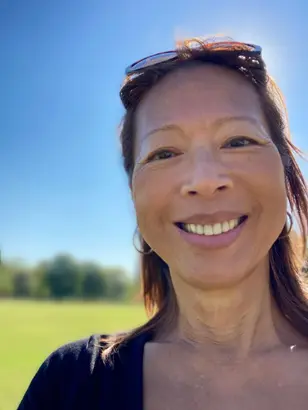
Mónica Adler is a translator, writer, and editor specialized in plain language. She was born in Buenos Aires and lives in Bethesda, Maryland. She has worked in Spanish-language health communication for more than 25 years.
She discovered her passion for health education and health literacy at the Program for Appropriate Technology in Health (PATH) in Washington, DC. She was the first in-house Hispanic writer/translator at the National American Red Cross, where she established terminology and style guidelines for the Hispanic HIV/AIDS Education Program and served as editor of an AIDS newsletter. As an entrepreneur, she managed, designed, and adapted into Spanish many multimedia projects for the National Institutes of Health. Until recently, she worked as a translator and plain language specialist in the Science Writing and Review Branch of the National Cancer Institute. She is a former board member of the International Association of Medical and Allied Sciences Translators and Writers (Tremédica) and a co-organizer of the 2025 conference held in Córdoba, Spain.
Mónica holds a degree in sworn translation from the University of Salvador in Buenos Aires, a master’s degree in International Relations from George Mason University, and a master’s degree in Graphic Medicine from the International University of Andalusia. She is passionate about clear communication and the right to understand.
Session 9 - Javier Castillo
Presenter: Javier Castillo
Session Title: The Fundamentals of Interpreter Note Taking (English)
Time: 3:00 p.m. – 4:00 p.m. | Location: SIPA 220
CEUs: [ATA: ___] [CCHI: ___] [IMIA: ___] [FL Courts: ___]
Session Description:
Every good interpreter has an effective note-taking system. For some of you who are already there, this will be a class to reflect on your practice and find spots for improvement. For others, this is the chance to step your practice up to the next level by starting to develop your note-taking system and skills. This workshop explores various elements of proficient note-taking all interpreters from local community interpreting to international conferences.
Presenter Bio:
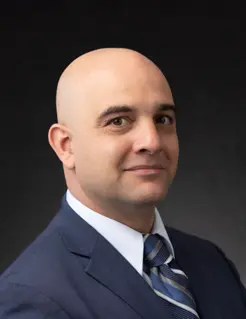
Javier Castillo is president of Castillo Language Services, Inc. in Greenville, NC. He is an interpreter, translator, consultant and internationally recognized speaker. He is a Federally Certified Court Interpreter, NC AOC certified court interpreter, a Certified Medical Interpreter, (CCHI) and contract interpreter for the U.S. Department of State and routinely interprets for international delegations and high-level speakers across the United States and abroad.
Since 2007, Javier has offered training workshops for court, medical, conference and community interpreters across the United States. He has provided in-house training for interpreters at hospitals, Administrative Offices of the Court, and Departments of Social Services. He recently developed and taught training courses for the staff and contract interpreters of the U.S. Department of State Office of Language Services.
He has designed and taught courses on working with interpreters in the legal field at Campbell Law School and the UNC School of Law. He’s also taught Continuing Legal Education courses for members of the judiciary.
Javier is a frequent speaker and trainer at national and international conferences. He is the former President of the Carolina Association of Translators and Interpreters (CATI), the former Chair of the National Association of Judiciary Interpreters and Translators (NAJIT) and former Head of the U.S. Chapter of the International Association of Professional Translators and Interpreters.
Saturday Closing Panel with Keynote Xosé Castro and Speakers
Presenter: Armando Ezquerra Hasbun
Session Title: Closing Panel with Keynote Xosé Castro and Speakers (Spanish)
Time: 4:00 p.m. – 5:00 p.m. | Location: SIPA 125 – Auditorium
Session Description:
Join us for a dynamic closing panel that brings together presenters and thought leaders to reflect on key insights from the conference and explore what lies ahead for translators and interpreters in a rapidly evolving profession.
This session will offer a space for shared learning, forward-looking dialogue, and community connection as we wrap up Day 2 of Elévate 2026.
Presenter bio:
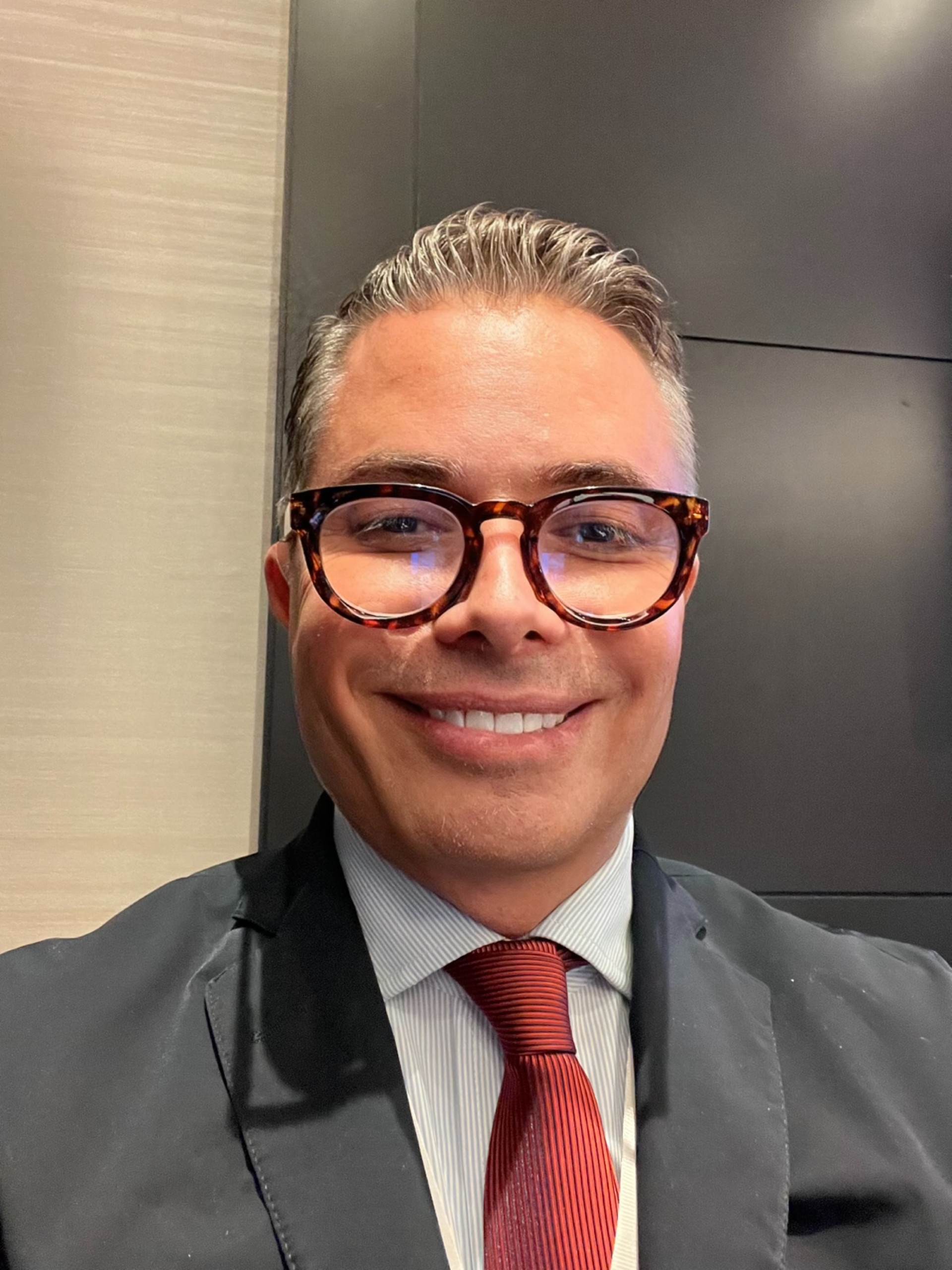
Armando Ezquerra Hasbun holds BA degrees in Psychology and International Studies an MA degree in Spanish language and literature and doctoral studies in Romance languages and Spanish linguistics.
He is an experienced state and federally certified court interpreter, with over 25 years of practice, and is certified as a Judiciary interpreter and translator. He is also a past Chair of NAJIT, the National Association of Judiciary Interpreters and Translators.
He was certified as a translator English>Spanish by the American Translators Association and served as Administrator of ATA’s Interpreting Division. He was awarded the ATA’s Harvie Jordan scholarship in 2015 for his contributions to the profession.
He is a licensed trainer for medical interpreters, a diplomatic and conference interpreter, grader, lecturer and Quality Assurance consultant to the industry.
He is currently an Adjunct Professor of Interpretation and Translation Studies at La Salle University in Philadelphia.
He has published on topics of interest to the profession and is often engaged as a speaker at conferences.
Saturday Networking Activity
Activity Title: Networking
Time: 5:30 p.m. – 7:30 p.m. | Location: SIPA 1
Session Description:
Join us for a relaxed evening of connection and conversation after Saturday’s conference sessions!
This Networking Event is included with full conference registration and is designed to bring together attendees, presenters, and organizers in a casual setting.
Important:
- Open to full conference registrants only
- Not available for workshop-only registrants
- RSVP required (link will be sent to registered attendees)
ELEVATE 2026
Sunday Program Half Day (Mar 1)
Session 1 - Xosé Castro (Keynote Speaker)
Presenter: Xosé Castro (Keynote Speaker)
Session Title: De la intuición al criterio: cómo tomar decisiones lingüísticas precisas en español (Spanish)
Time: 9:00 a.m. – 10:15 a.m. | Location: SIPA 100
CEUs: [ATA: ___] [CCHI: ___] [IMIA: ___] [FL Courts: ___]
Session Description:
Tomar decisiones precisas en español exige algo más que intuición. En esta sesión se examinan problemas frecuentes del español profesional: interferencias estructurales del inglés, calcos asentados por el uso, construcciones poco naturales, falsos amigos y decisiones terminológicas que requieren conocer bien los registros. A partir de ejemplos reales de distintos ámbitos, se desglosan los mecanismos que generan estos desvíos y se proponen criterios prácticos para evitarlos: cómo detectar un calco invisible, cuándo asumir un riesgo estilístico y cuándo es preferible la sobriedad, o cómo elegir entre varias soluciones legítimas sin perder naturalidad. La sesión incorpora además herramientas basadas en IA: creación de corpus personalizados, uso de traducciones propias o glosarios para orientar estilo y terminología y generación de alternativas alejadas de los anglicismos que proliferan en la red. El objetivo es reforzar el criterio y producir un español preciso, idiomático y consciente de sus matices.
Presenter Bio:
Xosé Castro es traductor especializado en traducción técnica y audiovisual, entre otras, además de corrector, redactor, presentador y guionista de radio y televisión. Desde 1995 imparte formación —en España, Latinoamérica y los Estados Unidos— sobre traducción especializada, informática productiva, proyección profesional, marketing, redacción creativa y SEO para traductores, entre otros temas. Ha sido asesor de la Fundéu y del Centro Virtual Cervantes, forma parte del colectivo de divulgación lingüística PalabrasMayores.org y es coautor del libro 199 recetas infalibles para expresarse bien (ed. Larousse VOX).
Session 2 - Maria Florencia Russo
Presenter: Maria Florencia Russo
Session Title: Beyond machine translation. AI agents for the intelligent management of the linguistic process (Spanish)
Time: 9:00 a.m. – 10:15 a.m. | Location: SIPA 103
CEUs: [ATA: ___] [CCHI: ___] [IMIA: ___] [FL Courts: ___]
Session Description:
Artificial intelligence agents make it possible to streamline common tasks in translation work without requiring technical skills. Unlike traditional machine translation, agents can operate within the workflow and support professionals in repetitive or organizational tasks without replacing their judgment. They act as configurable assistants that reduce operational effort and ease project preparation.
Agents can now be integrated easily, functioning as small components that fit into daily routines and handle tasks that often delay or distract. They can organize terminology, prepare preliminary information, assist with deadline management or help prioritize tasks during busy periods. The goal is not to automate the craft, but to free time so translators can focus on linguistic decisions, style, communicative intent and cultural precision.
The presentation will showcase practical, accessible and replicable examples tailored to the real needs of the profession.
Presenter Bio:
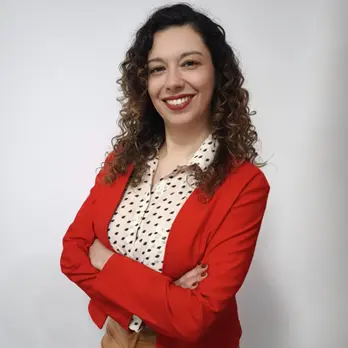
Flor Russo is an English–Spanish translator and a graduate of the National University of La Plata, Argentina. She specializes in technical translation for the automotive, oil and gas and technology sectors. Currently, she also works as a technical assistant and consultant for both clients and the development team at a company focused on AI driven translation software. Her interest in technology began early. In fact, at fifteen she created her first computer assisted dictionary on a 386 PC using basic programming.
Since 2017, she has delivered courses and workshops on digital tools for translators and interpreters, and has been a speaker at conferences and professional associations in Argentina, Uruguay, Mexico, Spain and the United States. She served as president of the Association of Certified Translators of La Plata and is currenlty an active member of the board. In that role she leads the Computer Tools Committee and promotes the adoption of digital resources in translation workflows.
Overall, her work connects language and technology, and she focuses on improving efficiency and supporting high standards of quality in professional translation.
Session 3 - Agustin de la Mora & James Plunkett
Presenters: Agustin de la Mora & James Plunkett
Session Title: To Omit or Not to Omit: it depends (English)
Time: 9:00 a.m. – 10:15 a.m. | Location: SIPA 220
CEUs: [ATA: ___] [CCHI: ___] [IMIA: ___] [FL Courts: ___]
Session Description:
According to several researchers, omission is a way to depart from the original version by the interpreter, and as “missing material”. Omitting is leaving out information, whether intentionally or accidentally. Interpreters are no strangers to this deviation from communication. But, are all omissions mistakes? Could an interpreter be deliberate about omitting something that was said in the source language? No interpreter is immune from omitting information, no matter what domain he or she is in: courtrooms, conferences, health, education.This ethics-focused seminar explores one of the most nuanced decisions court interpreters face: when omitting is necessary and when it compromises the message.
Participants will work through analytical and self-reflective exercises using authentic court utterances and develop strategies for ethical, defensible decision-making. Participants must bring a recording device and headphones.
Presenters Bio:
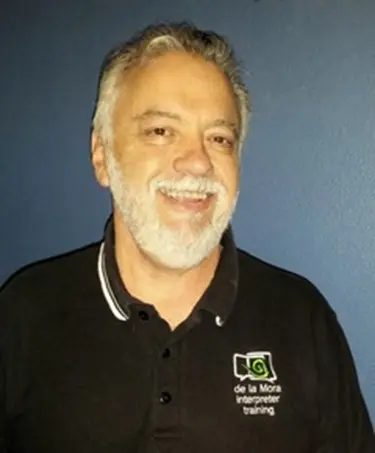
Agustín Servín de la Mora is the founder of DE LA MORA Institute of Interpretation. Born and raised in Mexico City, Mexico, he studied psychology at the Universidad Autónoma Metropolitana. He was a teaching member of the Sociedad Nacional de Psicología e Hipnosis Clínica y Experimental in Mexico City. Agustin has been a professional interpreter for the last 35 years as a freelance and staff interpreter. Agustin is a Supervisory Rater for the National Center for State Courts and has been a Lead Rater for the federal and consortium oral exams for court interpreters. He was the Lead Interpreter for the Ninth Judicial Circuit for over a decade, is a member of the Florida Court Interpreter Certification Board and a voting member of the Technical Committee of the National Consortium for Interpreter Certification. Agustin is certified by the Administrative Office of the United States Courts as a Federally Certified Court Interpreter. He is a Certified Court interpreter by the Florida Court Interpreter Certification Board and a Certified Medical Interpreter by the National Board of Certification for Medical Interpreters. He has been a consultant for the Administrative Offices of the State Courts, conducting orientation seminars and advanced skills workshops for interpreters in over 17 states, including Florida. He has been featured as a speaker and presenter at several national conventions, including the National Association of Judiciary Interpreters and Translators, the ATA, the International Medical Interpreters Association, the Conference of County Judges of Florida and the National Association of State Court Administrators.
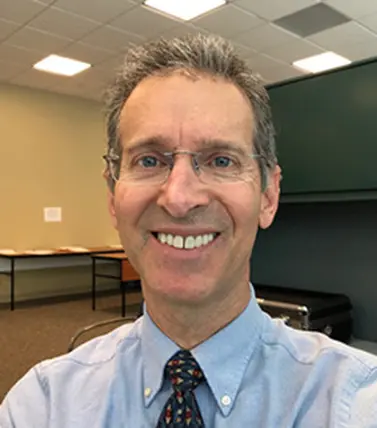
James Plunkett is a nationally-known interpreter instructor and trainer of trainers. He also trains new judges and court staff on how to work with court interpreters. He is certified by the AOUSC as a Spanish and English court interpreter. In his 31 years of professional experience, he has worked as a staff court interpreter at the Thirteenth Judicial Circuit in Florida and as the Coordinator of Interpreting Services and Language Access Program for the District of Columbia Courts. He is a staff interpreter of the U.S. District Court in Tampa, Florida. He holds a BA degree in General Social Studies from Providence College. He was raised in Lima, Peru. He also communicates in Portuguese, intermediate French, and basic American Sign Language and Italian.
Session 4 - Carmen Violeta Hoyle del Rio
Presenter: Carmen Violeta Hoyle del Rio
Session Title: English-proofing your Spanish translation: The power of syntax (Spanish)
Time: 10:30 a.m. – 11:45 a.m. | Location: SIPA 100
CEUs: [ATA: ___] [CCHI: ___] [IMIA: ___] [FL Courts: ___]
Session Description:
When living in a country with a different language from our native language, people often adopt syntactic structures typical of the dominant language, in this case English. In the case of translators, this is of particular relevance because it affects the quality of their work.
This session intends to help improve expression skills among translators who live and work in an English-speaking environment. This improvement will be reflected in the texts translated into Spanish for use within the country and those that will be used to inform the Spanish-speaking world about U.S. culture, society and technology.
We will start with a brief theoretical basis with examples, and move on to translate fragments of texts from different types with noun phrases which pose concrete problems in the translation from English to Spanish, which may include the use of prepositions, gerunds, incorrect use of pronouns, structural calques.
Presenter Bio:
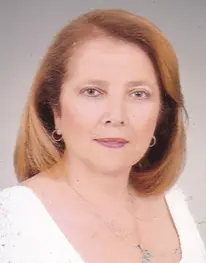
Carmen Violeta Hoyle del Rio is a freelance translator, with wide experience in translating and proofreading texts in English and in Spanish in technical and administrative fields. Member of the Peruvian Association of Professional Translators (CTP). ATA certified: English into Spanish. University-specific Master’s degree from AulaSIC in medical translation. Master in Translation Studies from the University of Warwick, UK, with a BA in Translation from Universidad Ricardo Palma and a BA in Education, with a major in Spanish Grammar and Literature, Universidad Inca Garcilaso de la Vega. Currently, Lecturer in specialized translation courses at the Professional Translation and Interpretation Program, University of Applied Science (UPC), Lima; Peru, and formerly at the Faculty of Arts and Modern Languages, Universidad Ricardo Palma (URP). Visiting professor at Universidad Complutense de Madrid for introductory workshops in medical translation.
Session 5 - Izaskun Orkwis
Presenter: Izaskun Orkwis
Session Title: Cognates and false friends in medical interpreting (Spanish)
Time: 10:30 a.m. – 11:45 a.m. | Location: SIPA103
CEUs: [ATA: ___] [CCHI: ___] [IMIA: ___] [FL Courts: ___]
Session Description:
Some words are not what they seem. In medical interpreting, there are the classic false friends we all know and avoid religiously. The real danger lurks in that gray, uncomfortable zone where “unreliable friends” live: those words that mean almost the same thing in both languages but that, in clinical practice, can expose the unwary interpreter.
Have you ever rendered “severe” as “severo” without batting an eye? Or worse: have you used “intoxicated” when the person was actually suffering from una intoxicación? These are the silent traitors that can derail our interpretation.
In this session, we will look not only at the meaning of words, but also at their nuances, connotations, and frequency of use in medical contexts. We will examine cases where the cognate “works,” but doesn’t quite convince—and explore why the most obvious translation is not always the most effective.
Presenter Bio:
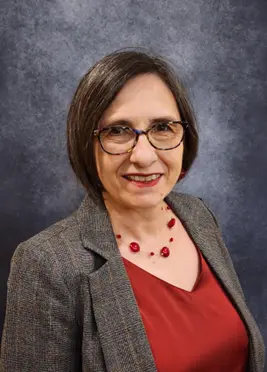
Izaskun Orkwis has been a translator for more than 20 years, working mainly for international organizations. She currently works as a staff interpreter at the Virginia state courts and also as a freelance translator for direct and institutional clients. She holds a BA in Romance Languages and MAs in Institutional Translation and Communication. She is an ATA-certified English <> Spanish translator and a sworn translator in Spain. As a court interpreter, she is certified at the federal and state level (Virginia). She is also a certified healthcare interpreter (CCHI).
Session 6 - Giovanna Lester
Presenter: Giovanna Lester
Session Title: My Voice Is My Super Power (English)
Time: 10:30 a.m. – 11:45 a.m. | Location: SIPA 220
CEUs: [ATA: ___] [CCHI: ___] [IMIA: ___] [FL Courts: ___]
Session Description:
Language professionals help create a more level playing field for the world to turn on. As interpreters, our voices lend greater transparency to the world, empower listeners, broaden the reach of a speaker’s message, and give voice to the voiceless, among other things. By respecting the content and caring for the message, while keeping ethics as the main backdrop for our word selections and decisions, we strive to give everyone a chance at the world stage.
This presentation is based on professional experience. The speaker will cover tools for practice, ethics, professional rights and obligations (standards), booth etiquette, note-taking, how to prepare for an assignment even when no material is available, and more.
Presenter Bio:
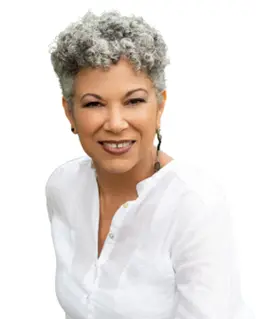
Giovanna (Gio) Lester is celebrating her 45th professional anniversary as an independent contractor in the translation and interpreting world. Her work has taken her to various countries, where she has interpreted at events such as the World Economic Forum, numerous medical and pharmaceutical conferences and symposia, trade shows, and other events. Gio’s languages are Brazilian Portuguese and English (A), Spanish (C). She is taking a Spanish language course and another on Spanish/Portuguese interpreting.
Her leadership journey includes serving as General Secretary and, later, President of Abrates (the Brazilian ATA counterpart); Assistant Administrator and Administrator of ATA’s ID; and President of both Florida Chapters, FLATA and ATIF (which she co-founded). Currently, Gio sits on the ATA Board of Directors.
Among other activities, Gio is a member of the ASTM F43 Committee on Language Services and Products and is active in Toastmasters International (Club 8370), serving as Vice President of Public Relations. Her career reflects a deep commitment to elevating the profession, supporting colleagues, and strengthening the quality and visibility of language services.
Closing | Group Picture
Presenter: Keynote & Speakers
Session Title: Closing and Group Picture (English)
Time: 12:00 p.m. – 12:45 p.m. | Location: SIPA 125 – Auditorium
Session Description:
As Elévate 2026 comes to an end, we invite you to join us for our Closing & Acknowledgements session, where we’ll reflect on key takeaways from the conference and recognize the speakers, partners, and volunteers who made this event possible.
A moment to celebrate our shared work, our community, and the future of the profession.